Similar Posts
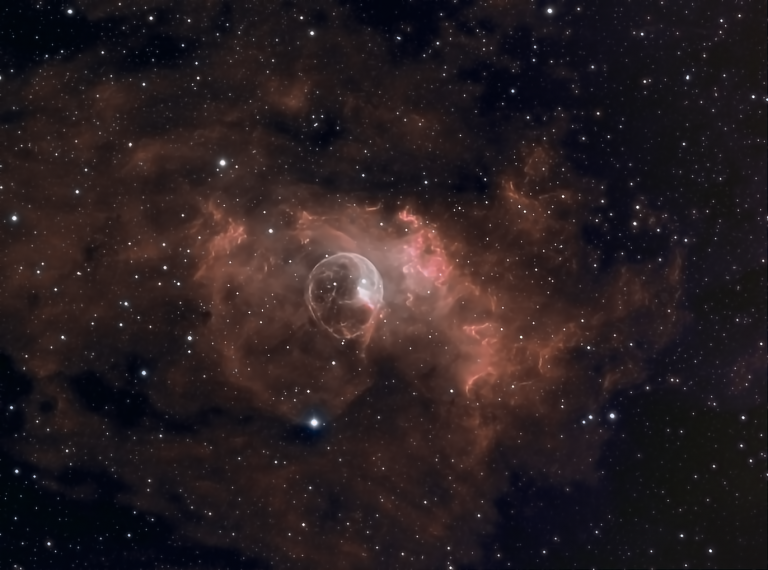
Off to See the Wizard (again)
These past couple of nights, I revisited the Wizard Nebula – home of a star cluster about 7,000 light-years away within the constellation Cepheus. This is a false-color image in the “Hubble Palette” where red, green, and blue represent ionized Sulphur, Hydrogen, and Oxygen emissions respectively. Can you see the “wizard”? Hint: he’s lying on…
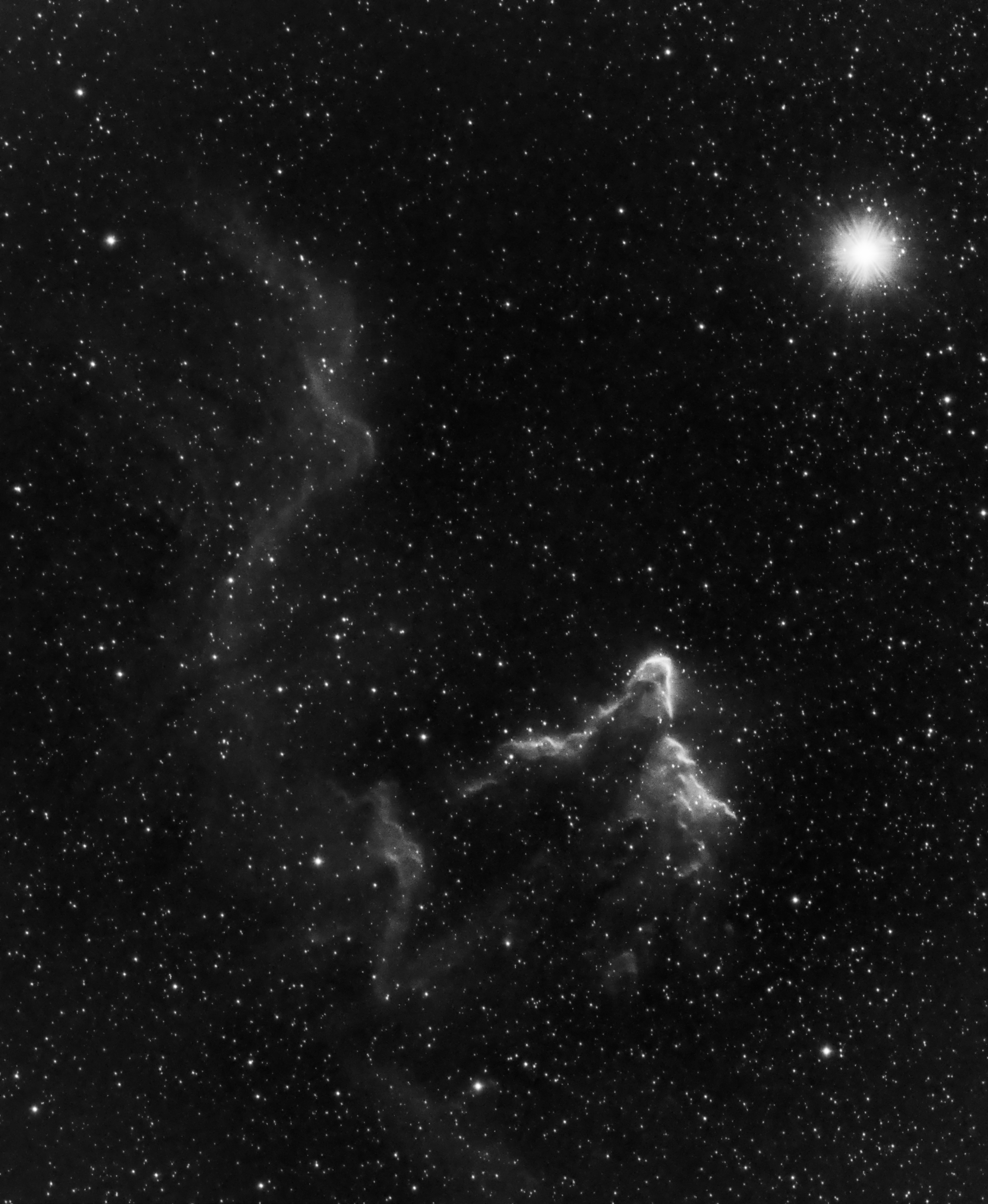
The head of the “seagull”
Formally this nebula is called vdB93, but more commonly it is a part of the “seagull nebula.” The larger nebula really does look like a flying bird, but it’s a little too big to fit in the field of view of my telescope – so I focused instead on its “head” where most of the…
The Sculptor Galaxy
NGC253 is most commonly known as the “Sculptor Galaxy,” because it’s found within the constellation Sculptor. You probably haven’t heard of Sculptor – that’s because it is considered a Southern-hemisphere constellation, and it’s only visible in the US from Southern states such as Florida. It’s also known as the “Silver Coin Galaxy.” It’s part of…
The “Leo Trio” of galaxies
Three nearby galaxies: M65, M66, and NGC 3628. All three are spiral galaxies, viewed from different angles. You can guess which one is called the “Hamburger Galaxy” đŸ™‚
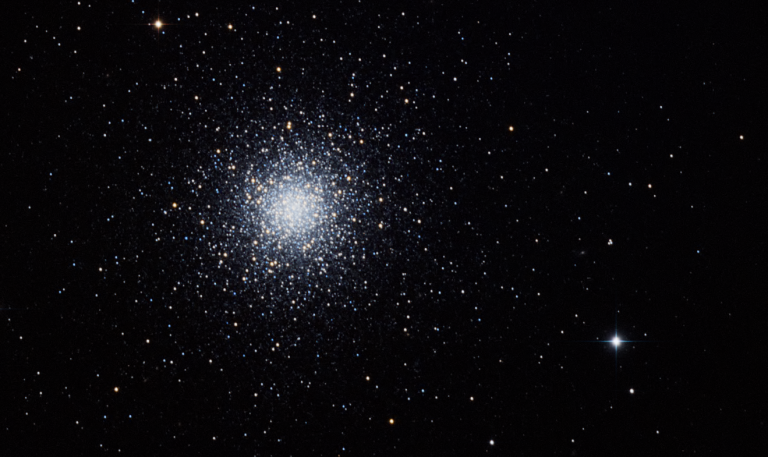
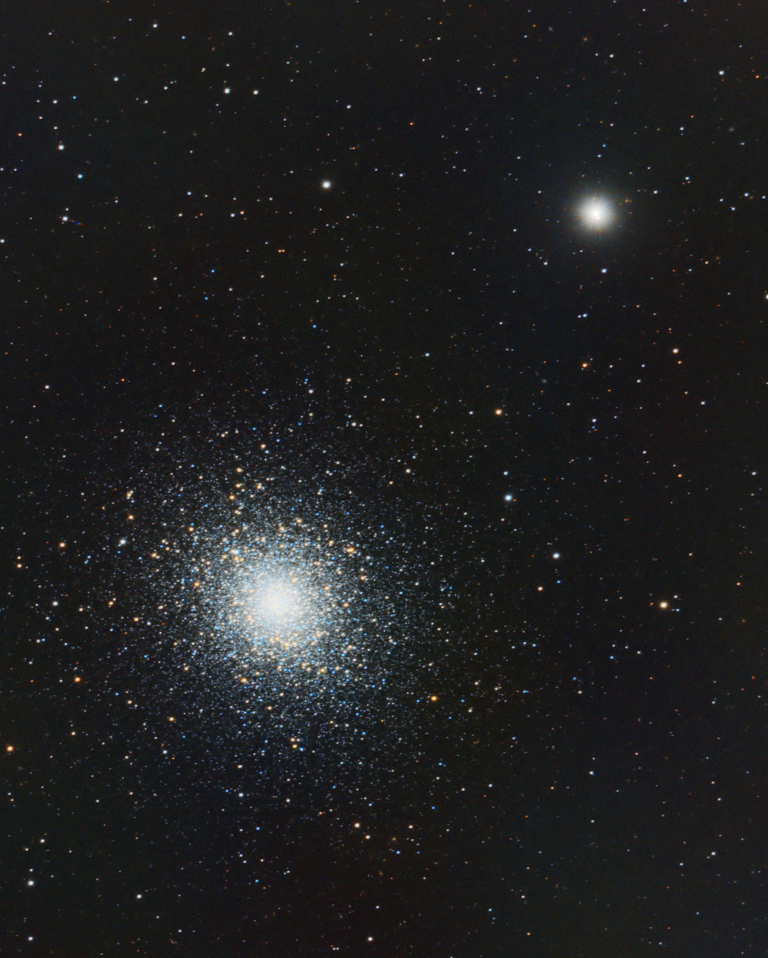
M14: A Golden Ball of Stars
This morning, my cat woke me up at 3 AM, and I noticed it was clear outside. But, the sun would start rising in just a couple of hours, so doing some super-long-exposure shot of a faint nebula wasn’t in the cards. However, globular clusters don’t take long to image, as they are relatively bright…
The Leo Trio (again)
It’s been awhile since I imaged the “Leo Trio” (aka Leo Triplet) of galaxies: M65, M66, and NGC 3628. I wanted to see if my latest equipment, software, and somewhat darker skies made a difference. I’d say so… this is a total of 25 hours of exposure time, including some Hydrogen-alpha filter data to pull…