The “Leo Trio” of galaxies
Three nearby galaxies: M65, M66, and NGC 3628. All three are spiral galaxies, viewed from different angles. You can guess which one is called the “Hamburger Galaxy” 🙂
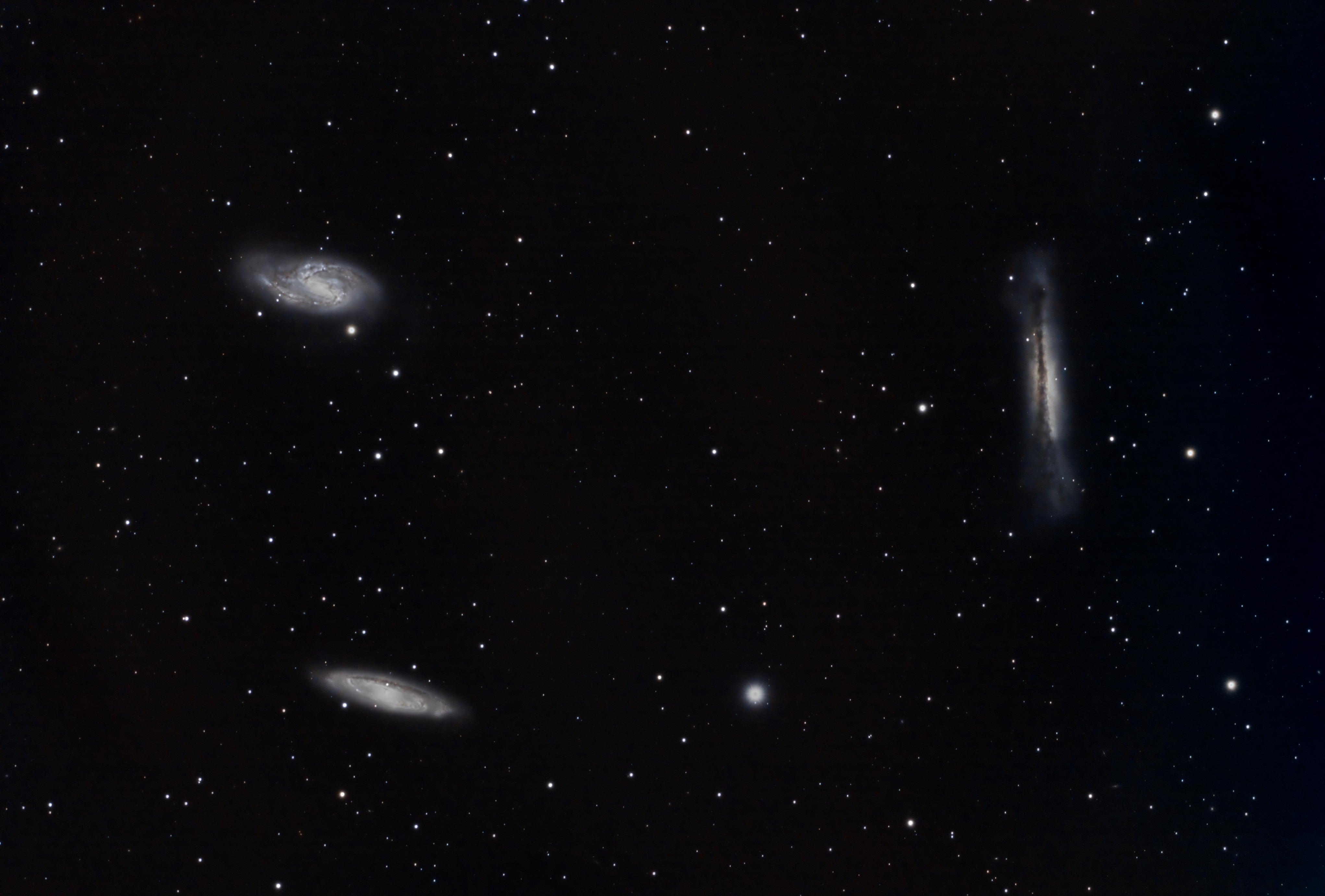
Three nearby galaxies: M65, M66, and NGC 3628. All three are spiral galaxies, viewed from different angles. You can guess which one is called the “Hamburger Galaxy” 🙂
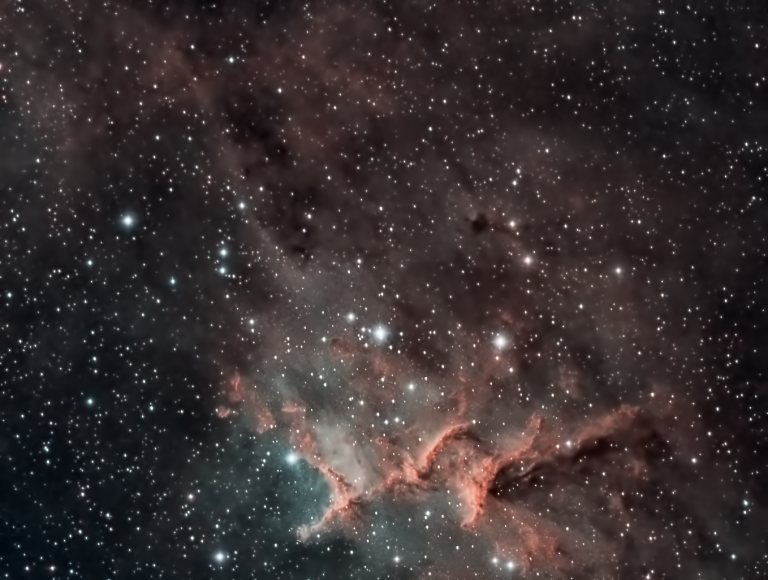
This young star cluster inside the Heart Nebula is lighting up the clouds of gas from which it formed. 3 hours of narrowband exposure from my suburban driveway.
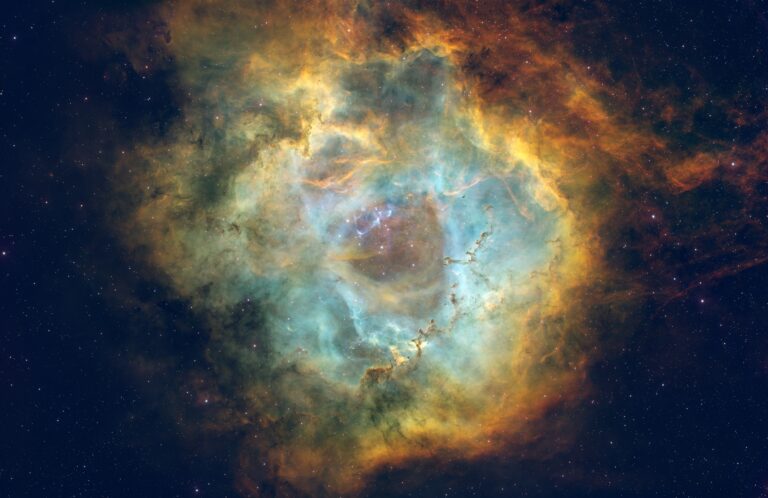
I’ve imaged the Rosette Nebula several times, but this is the first from the dark skies of Central Texas and with some better optics as well. I took a lighter touch on the processing this time, since the data was better – and it results in a smoother, more natural look than previous takes.
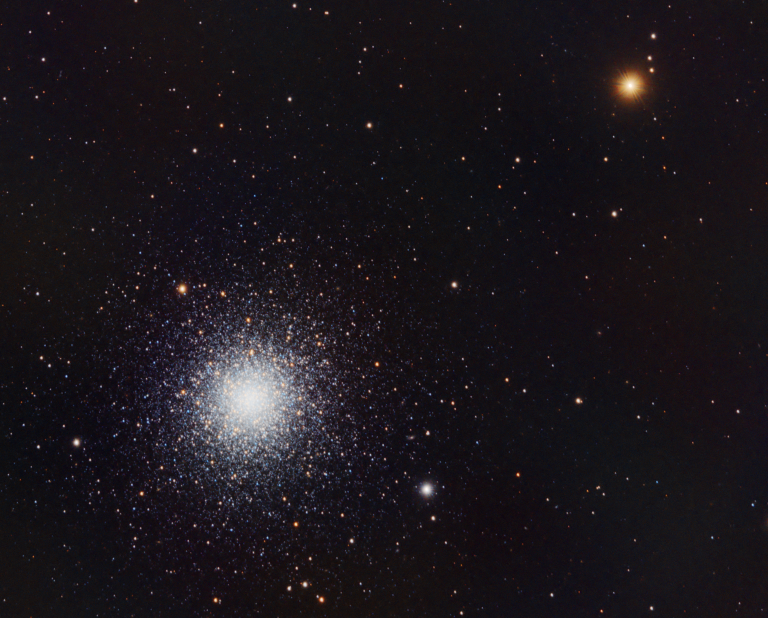
Located about 34,000 light-years away within the constellation Canes Venatici, this tight ball of half a million stars formed just outside the disk of our galaxy – and so its stars never got mixed in with it. They’ve just been sitting there for over 11 billion years. One of the prettiest globular clusters in the…
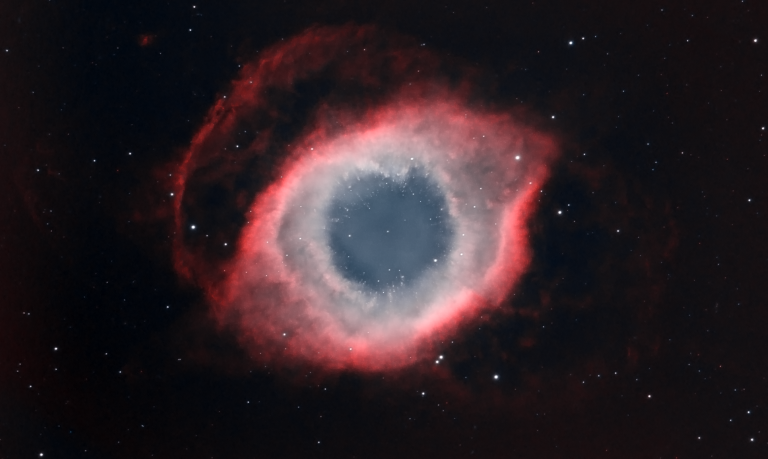
This is the Helix Nebula, sometimes also called the “Eye of God” or the “Eye of Sauron”. It’s a planetary nebula, formed by a star blowing off its outer layers of gas before collapsing into the white dwarf you can see at its center. This is thought to be the ultimate fate of our own…
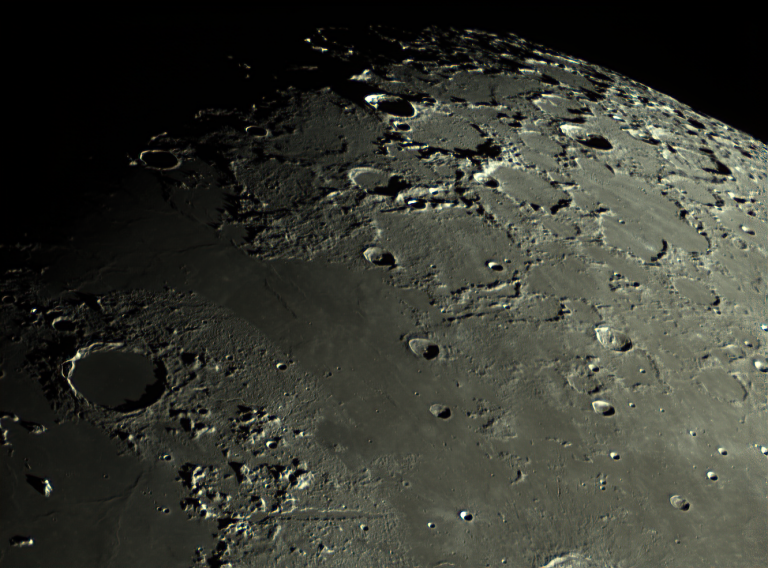
Last night I set out to image Jupiter and Saturn, but both are pretty far away at this point, and the atmospheric conditions weren’t great. So I tried for the Moon instead. We take our nearest celestial neighbor for granted – there’s a whole world right next to us, waiting for us to explore it!…
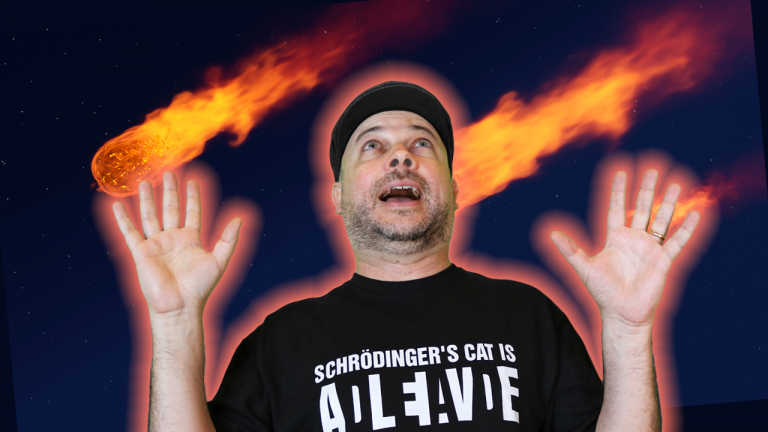
We’re back with our live viewing of the cosmos! Join us as we view the Veil Nebula via a camera attached to our telescope – it’s a supernova remnant from a massive star that exploded 8,000 years ago, and it’s gorgeous. We’ll also talk about tonight’s expected meteor storm as the Earth passes through a…