The Sunflower Galaxy
Officially called M63, this spiral galaxy about 30 million light-years away is part of the same group as the Whirlpool Galaxy.

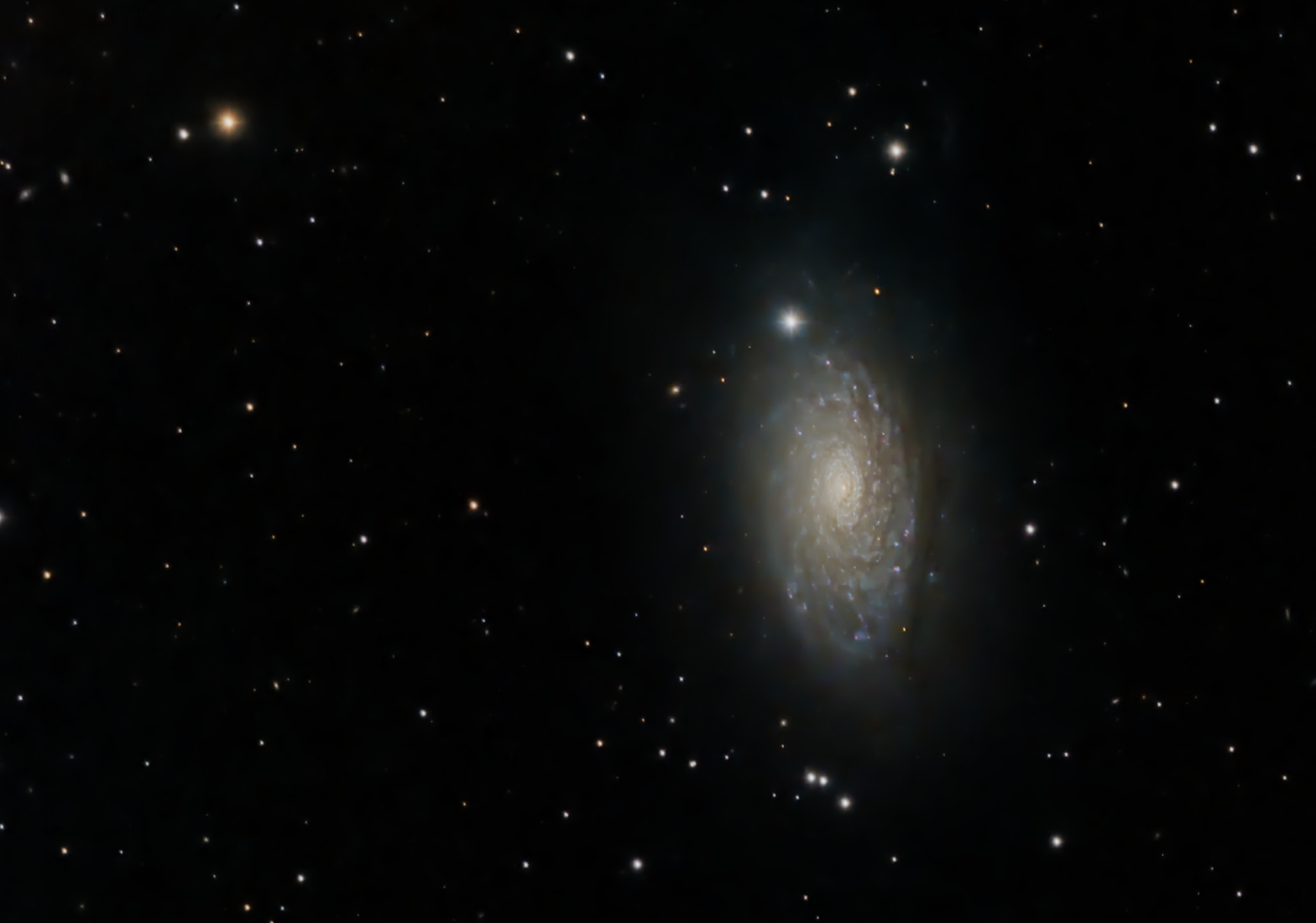
Officially called M63, this spiral galaxy about 30 million light-years away is part of the same group as the Whirlpool Galaxy.
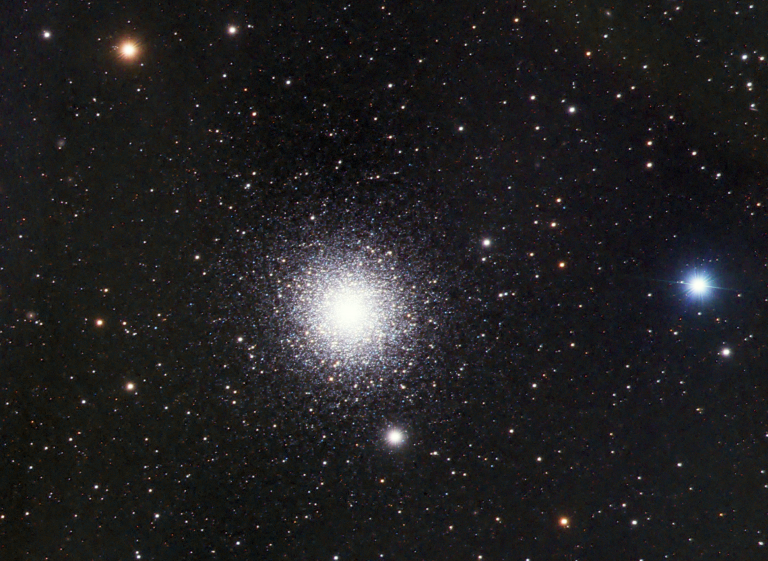
Located about 33,600 light-years away within the constellation Pegasus, Messier 15 is a globular cluster – a tight, ancient ball of stars on the outskirts of our galaxy. The Milky Way is surrounded by many such clusters; this one’s special because it’s known to host a rare intermediate-sized black hole at its center, and it…
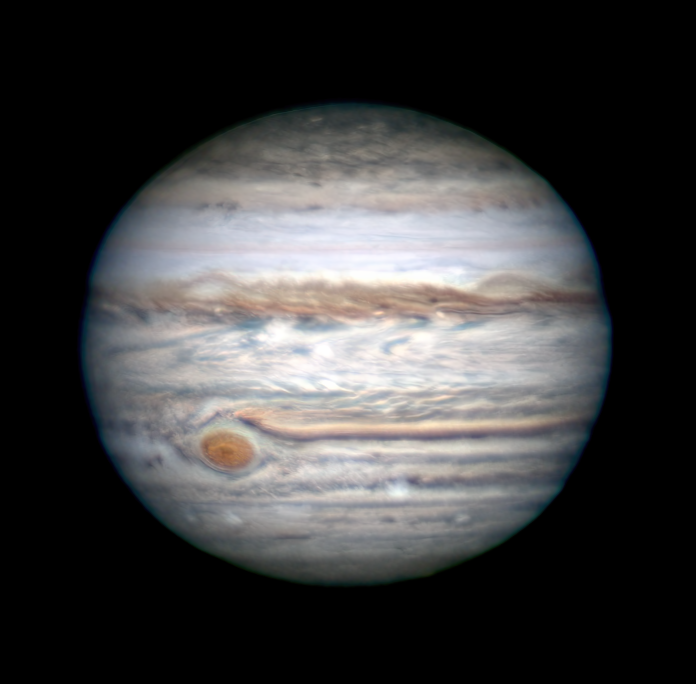
It’s been awhile since I attempted Jupiter and Saturn… years, in fact. But last night was too good to pass up. Jupiter is just past its opposition, and it’s one of its closest approaches to Earth ever. There wasn’t a lot of turbulence in the air late last night, the Great Red Spot was out,…
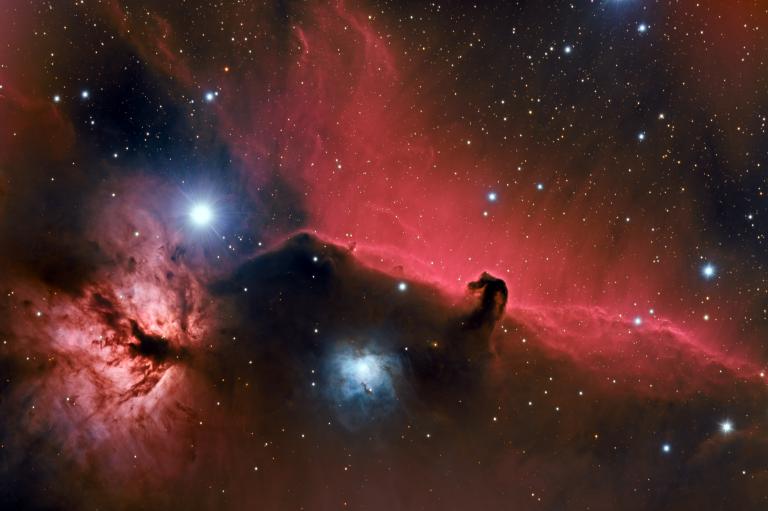
The Horsehead and Flame nebulas, although popular, are really difficult to image together. The clouds of Hydrogen look best using narrowband filters, but the blue reflection nebula below the Horsehead only appears in wideband, color filters. Further complicating matters is the bright star Alnitak, one of the stars that makes up Orion’s belt. In narrowband,…
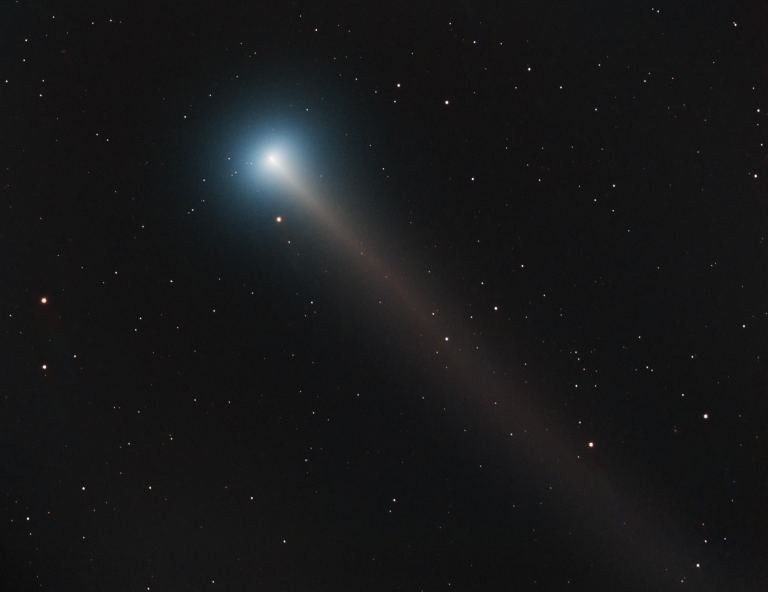
Comet C/2021 A1 (Leonard) is approaching the Sun – right now it’s only above the horizon in the early morning hours, but soon it will loop around and be visible in the evening. As of right now, you need a telescope to see it – it’s too dim even for binoculars. But it’s possible it…
Check out our online courses, and learn the secrets behind the images on this site! Select one to learn more. [lifterlms_courses]
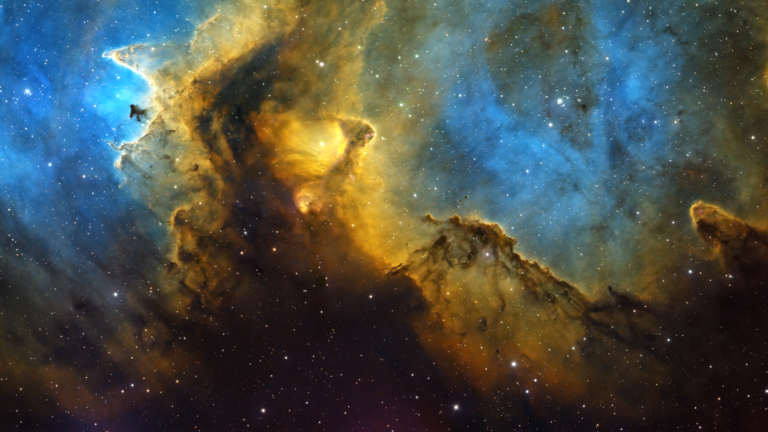
This is my first attempt at a mosaic… basically stitching together three views of an object that’s normally too large in the sky to fit within the field of view of my telescope. It came out alright! We’ve had a great run of clear nights the past few weeks in Florida, and I’ve invested just…